How painful is periodontal work?
Periodontal work is generally not painful during the procedure due to local anesthesia, but mild to moderate discomfort can be expected during recovery.
Key Points to Consider:
-
Local anesthesia minimizes pain during the procedure.
-
Discomfort afterward is usually manageable with over-the-counter pain relief.
-
The level of pain varies depending on the type of treatment.
-
Deeper cleanings or surgeries may cause more soreness.
-
Proper aftercare helps reduce pain and promotes healing.
Understanding Pain During Periodontal Procedures
Local Anesthesia Keeps You Comfortable
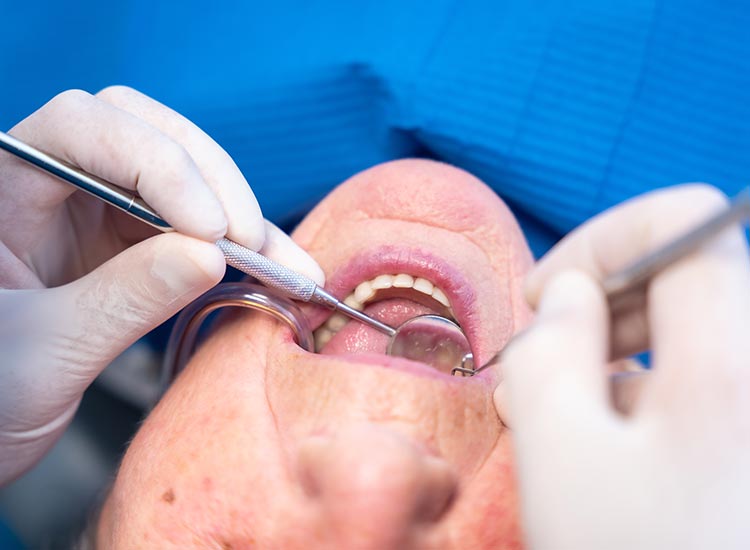
Most periodontal treatments, including deep cleanings (scaling and root planing), are done under local anesthesia. This numbs the treatment area and makes the procedure virtually pain-free. Patients may feel pressure or vibration but not sharp pain during the process.
The Type of Procedure Matters
Simple procedures like deep cleaning typically cause less discomfort than surgical ones like flap surgery or bone grafting. If your treatment is more invasive, your periodontist may also prescribe stronger pain relief options. Knowing what to expect helps ease anxiety before your appointment.
Recovery and Post-Procedure Discomfort
Managing Pain After Treatment
After the anesthesia wears off, you may experience mild soreness, swelling, or sensitivity for a few days. Most people manage this with over-the-counter medications like ibuprofen. Icing the area and eating soft foods can also help minimize discomfort during recovery.
When to Contact Your Periodontist
Severe or persistent pain isn’t common and may indicate a complication like infection or improper healing. If the discomfort lasts longer than expected or worsens over time, it’s important to follow up with your periodontist. Proper oral hygiene and following post-op instructions can significantly speed up healing.